The Long-Lived Chilli from the Andean Highlands
The tree chilli 'Rocoto Canario' (Capsicum pubescens) is an exceptional variety that has been valued in its native region for thousands of years. Originating from the highlands of Bolivia, Peru and Ecuador, it was already widely cultivated during the Inca Empire and is considered one of the oldest domesticated chilli species in South America. Its name derives from the canary-yellow colour of its round, juicy fruits, which conceal distinctive black, hard seeds – a unique characteristic of this species. Also typical are its delicate, violet-coloured flowers and the densely hairy leaves and stems, which give rise to the botanical species name “pubescens”.
Under ideal conditions, Rocoto Canario develops a strong, woody stem, can reach heights of up to 3–4 m, and may live for 10 to 15 years.
In the kitchen, it is considered a delicacy. The thick-walled, aromatic pods with medium to high heat are best used fresh – for example in spicy salsas, flavourful sauces, or as a stuffed speciality in the Peruvian national dish “Rocoto Relleno”. When dried or pickled, they develop a rich flavour, although drying can be challenging due to the juicy flesh.
Sowing and Care of Tree Chilli 'Rocoto Canario'
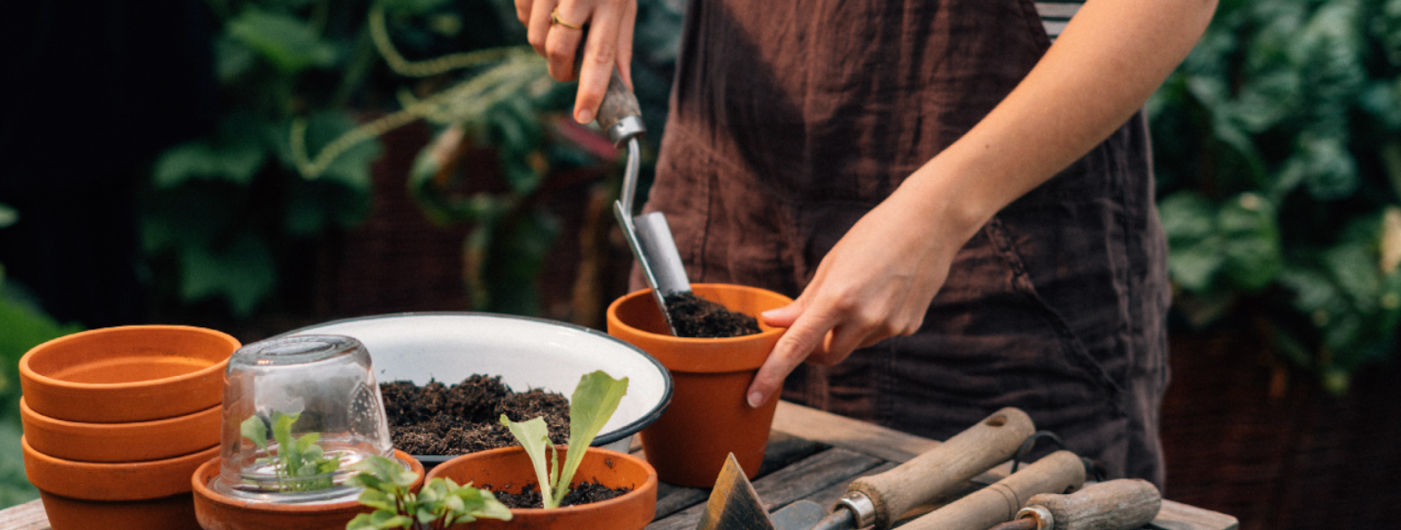
Sowing should ideally begin as early as December or January, but no later than February or March, as the plants require a long growing period of 4–6 months to reach fruit maturity. Before sowing, soak the hard, black seeds in lukewarm chamomile tea for two days, then sow about 1 cm deep into moist seed compost. Germination occurs at a constant temperature of around 23 °C within 10–20 days, though it can be somewhat erratic.
Rocoto Canario prefers a semi-shaded position, a very large container (at least 40 litres), and consistently moist soil. It tolerates cooler temperatures better than other chillies but is not frost hardy. Regular feeding and sufficient watering are essential to encourage good fruit set. Protect from intense sunlight and strong winds.
With good care, the plant can be overwintered in a frost-free environment and often produces an even greater yield in its second year. Thanks to its longevity and exotic appearance, it is a real eye-catcher and a rewarding challenge for dedicated home gardeners.
Altri nomi
| Nome botanico: |
Capsicum pubescens, C. lanceifolium, Brachistus lanceifolius |
| Nomi spagnoli: |
Rocoto, Locoto, Morongo, Perrón, Chile de Cera, Chile Manzano |